Buy lovecoach.eu ?
We are moving the project
lovecoach.eu .
Are you interested in purchasing the domain
lovecoach.eu ?
domain@kv-gmbh.de · 0541-91531010
Buy lovecoach.eu ?
How does a single-celled organism become a multicellular organism?
A single-celled organism can become a multicellular organism through a process called cell division and specialization. Initially, the single cell undergoes multiple rounds of cell division, resulting in a cluster of cells. These cells then start to differentiate and specialize in their functions, forming different types of tissues and organs. Through further cell division, specialization, and coordination, these cells organize themselves into a complex multicellular organism with various cell types working together to perform specific functions. This process is known as cellular differentiation and is essential for the development of multicellular organisms. **
How did the unicellular organism evolve into a multicellular organism?
The evolution of unicellular organisms into multicellular organisms is believed to have occurred through a process called coloniality. Initially, unicellular organisms formed colonies where individual cells worked together for survival. Over time, some cells within these colonies specialized in specific functions, leading to the development of multicellular organisms with different cell types. This specialization allowed for more complex structures and functions, ultimately leading to the evolution of multicellular organisms. **


Similar search terms for Organism
Top-Angebote
Products related to Organism:
-
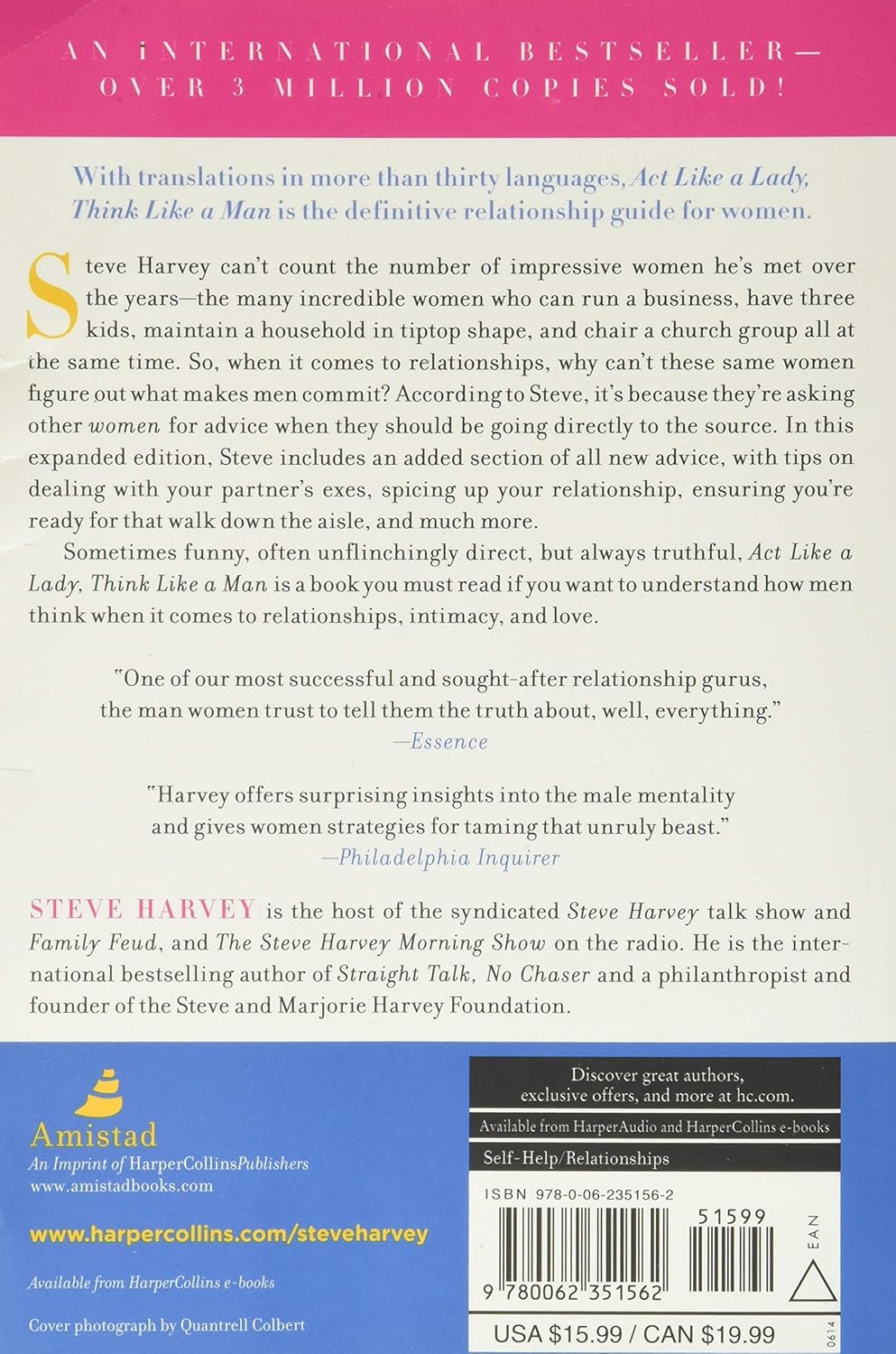
Amistad Act Like a Lady, Think Like a Man, Expanded Edition by Steve Harvey - Paperback - Relationship & Dating Advice for Women - Bestselling Self-HelpAct Like a Lady, Think Like a Man, Expanded Edition is Steve Harvey's guide to modern love, helping women understand how men think about dating, commitment, and relationships. Written with warmth, humor, and decades of real-life experience, this expanded edition adds fresh material to the original #1 New York Times bestseller. Ideal for readers navigating dating apps or long-term partnerships, it blends comedy with practical advice for building stronger, more honest connections. Steve Harvey revisits the frank, funny perspective that made the original book a phenomenon, drawing on his own life as a son, husband, father, and long-time observer of relationships. He explains how men genuinely approach love, sex, work, and commitment, including the concept of the '90-Day Rule,' which encourages women to slow down and get to know a man before committing.2,99 £*Shipping: 2,99 £Secure redirect to the provider
-
Uplifted Finds Independent Cat And Dog Toilet Guidance Trainer greyEmpower your pet with the ultimate hygiene independence using this premium cat and dog toilet guidance trainer. Expertly engineered to guide cats and small dogs toward using a fixedpoint sanitary tray or human restroom setup, this innovative...186,97 $*Shipping: 0,00 $Secure redirect to the provider
-
Uplift Essentials Independent Fixed Point Pet Toilet Guidance Trainer greyTransition your pet away from messy disposable pads and take the stress out of home housebreaking with a professional, reusable training system. This premium cat and dog toilet guidance trainer provides a structured, fixedpoint sandbox solution that...132,97 $*Shipping: 0,00 $Secure redirect to the provider


-
How can a single-celled organism become a multicellular organism?
A single-celled organism can become a multicellular organism through a process called cell aggregation. This occurs when individual cells come together and adhere to each other, forming a multicellular structure. Over time, these cells differentiate and specialize to perform specific functions within the organism, leading to the development of tissues and organs. This process allows the single-celled organism to evolve into a complex, multicellular organism with a higher level of organization and specialization. **
-
How did the single-celled organism develop into a multicellular organism?
The transition from single-celled to multicellular organisms is thought to have occurred through a process called coloniality, where individual cells began to work together and specialize in different functions. This allowed for more efficient resource utilization and increased the organism's ability to adapt to different environments. Over time, these specialized cells became more integrated and developed into the complex multicellular organisms we see today. This transition likely occurred independently in different lineages of organisms, leading to the diverse array of multicellular life forms we see today. **
-
Can viruses transform an entire organism into another similar and permanently viable organism?
No, viruses cannot transform an entire organism into another similar and permanently viable organism. Viruses are not capable of causing such a drastic and complex transformation in an organism. While viruses can cause changes in the host organism's cells and genetic material, they do not have the ability to completely transform one organism into another. The concept of a virus causing such a transformation is more characteristic of science fiction rather than actual scientific understanding of virology. **
-
Is cress a living organism?
Yes, cress is a living organism. It is a type of plant that belongs to the mustard family and is commonly grown for its edible leaves. Like all plants, cress is a living organism that undergoes processes such as photosynthesis, respiration, and growth. It requires water, sunlight, and nutrients to survive and thrive. **


Is yeast a living organism?
Yes, yeast is a living organism. It is a type of fungus that belongs to the kingdom Fungi. Yeast cells are single-celled organisms that can reproduce asexually through budding. They are capable of metabolizing sugars and producing carbon dioxide and alcohol through the process of fermentation. Yeast is commonly used in baking and brewing due to its ability to ferment sugars and produce carbon dioxide, which causes dough to rise and gives beer and wine their alcoholic content. **
Is the blastocyst an organism?
Yes, the blastocyst is considered an organism. It is the stage of development of a fertilized egg before it implants into the uterus. At this stage, the blastocyst is a multicellular structure with specialized cells that will eventually develop into the fetus and placenta. Therefore, the blastocyst can be considered an early stage of an organism's development. **
Top-Angebote
Products related to Organism:
-
Mastering Relationships by Astha Kapoor - Relationship & Self-Help Guide - New Paperback - Practical Advice for Healthier RelationshipsRelationships shape almost every part of our daily happiness, yet so many of us never learn the practical skills needed to keep them strong. Mastering Relationships by Astha Kapoor is a down-to-earth non-fiction guide that tackles communication, boundaries, and emotional connection head-on. Rather than leaning on dense psychological jargon, the author offers clear, usable advice for anyone wanting calmer conversations, deeper trust, and fewer repeated arguments. This paperback is written for real life, not theory, making it a genuinely approachable read for partners, friends, and families alike. Mastering Relationships walks readers through the everyday friction points that quietly erode connection: miscommunication, unspoken expectations, and boundaries that are either too rigid or missing altogether. Astha Kapoor breaks these challenges into manageable, relatable chapters, encouraging self-reflection.2,99 £*Shipping: 2,99 £Secure redirect to the provider
-
Bluebird Where's My Happy Ending? by Anna Whitehouse & Matt Farquharson - Paperback - Sunday Times Bestselling Relationship Guide - Honest, Funny AdviceWhere's My Happy Ending? is a candid exploration of what it really takes to make a relationship last. Written by Anna Whitehouse and Matt Farquharson, this book blends real interviews, personal confession, and sharp wit to answer the questions every couple secretly asks. Perfect for those navigating love and marriage, it's an entertaining read for modern adults.6,99 £*Shipping: 2,99 £Secure redirect to the provider
-
Amistad Act Like a Lady, Think Like a Man, Expanded Edition by Steve Harvey - Paperback - Relationship & Dating Advice for Women - Bestselling Self-HelpAct Like a Lady, Think Like a Man, Expanded Edition is Steve Harvey's guide to modern love, helping women understand how men think about dating, commitment, and relationships. Written with warmth, humor, and decades of real-life experience, this expanded edition adds fresh material to the original #1 New York Times bestseller. Ideal for readers navigating dating apps or long-term partnerships, it blends comedy with practical advice for building stronger, more honest connections. Steve Harvey revisits the frank, funny perspective that made the original book a phenomenon, drawing on his own life as a son, husband, father, and long-time observer of relationships. He explains how men genuinely approach love, sex, work, and commitment, including the concept of the '90-Day Rule,' which encourages women to slow down and get to know a man before committing.2,99 £*Shipping: 2,99 £Secure redirect to the provider
-
How does a single-celled organism become a multicellular organism?
A single-celled organism can become a multicellular organism through a process called cell division and specialization. Initially, the single cell undergoes multiple rounds of cell division, resulting in a cluster of cells. These cells then start to differentiate and specialize in their functions, forming different types of tissues and organs. Through further cell division, specialization, and coordination, these cells organize themselves into a complex multicellular organism with various cell types working together to perform specific functions. This process is known as cellular differentiation and is essential for the development of multicellular organisms. **
-
How did the unicellular organism evolve into a multicellular organism?
The evolution of unicellular organisms into multicellular organisms is believed to have occurred through a process called coloniality. Initially, unicellular organisms formed colonies where individual cells worked together for survival. Over time, some cells within these colonies specialized in specific functions, leading to the development of multicellular organisms with different cell types. This specialization allowed for more complex structures and functions, ultimately leading to the evolution of multicellular organisms. **
-
How can a single-celled organism become a multicellular organism?
A single-celled organism can become a multicellular organism through a process called cell aggregation. This occurs when individual cells come together and adhere to each other, forming a multicellular structure. Over time, these cells differentiate and specialize to perform specific functions within the organism, leading to the development of tissues and organs. This process allows the single-celled organism to evolve into a complex, multicellular organism with a higher level of organization and specialization. **
-
How did the single-celled organism develop into a multicellular organism?
The transition from single-celled to multicellular organisms is thought to have occurred through a process called coloniality, where individual cells began to work together and specialize in different functions. This allowed for more efficient resource utilization and increased the organism's ability to adapt to different environments. Over time, these specialized cells became more integrated and developed into the complex multicellular organisms we see today. This transition likely occurred independently in different lineages of organisms, leading to the diverse array of multicellular life forms we see today. **
Similar search terms for Organism
-
Uplifted Finds Independent Cat And Dog Toilet Guidance Trainer greyEmpower your pet with the ultimate hygiene independence using this premium cat and dog toilet guidance trainer. Expertly engineered to guide cats and small dogs toward using a fixedpoint sanitary tray or human restroom setup, this innovative...186,97 $*Shipping: 0,00 $Secure redirect to the provider
-
Uplift Essentials Independent Fixed Point Pet Toilet Guidance Trainer greyTransition your pet away from messy disposable pads and take the stress out of home housebreaking with a professional, reusable training system. This premium cat and dog toilet guidance trainer provides a structured, fixedpoint sandbox solution that...132,97 $*Shipping: 0,00 $Secure redirect to the provider
-
Uplifted Finds Independent Cat And Dog Toilet Guidance Trainer pinkEmpower your pet with the ultimate hygiene independence using this premium cat and dog toilet guidance trainer. Expertly engineered to guide cats and small dogs toward using a fixedpoint sanitary tray or human restroom setup, this innovative...186,97 $*Shipping: 0,00 $Secure redirect to the provider
-
Uplifted Finds Independent Cat And Dog Toilet Guidance Trainer blueEmpower your pet with the ultimate hygiene independence using this premium cat and dog toilet guidance trainer. Expertly engineered to guide cats and small dogs toward using a fixedpoint sanitary tray or human restroom setup, this innovative...186,97 $*Shipping: 0,00 $Secure redirect to the provider
-
Can viruses transform an entire organism into another similar and permanently viable organism?
No, viruses cannot transform an entire organism into another similar and permanently viable organism. Viruses are not capable of causing such a drastic and complex transformation in an organism. While viruses can cause changes in the host organism's cells and genetic material, they do not have the ability to completely transform one organism into another. The concept of a virus causing such a transformation is more characteristic of science fiction rather than actual scientific understanding of virology. **
-
Is cress a living organism?
Yes, cress is a living organism. It is a type of plant that belongs to the mustard family and is commonly grown for its edible leaves. Like all plants, cress is a living organism that undergoes processes such as photosynthesis, respiration, and growth. It requires water, sunlight, and nutrients to survive and thrive. **
-
Is yeast a living organism?
Yes, yeast is a living organism. It is a type of fungus that belongs to the kingdom Fungi. Yeast cells are single-celled organisms that can reproduce asexually through budding. They are capable of metabolizing sugars and producing carbon dioxide and alcohol through the process of fermentation. Yeast is commonly used in baking and brewing due to its ability to ferment sugars and produce carbon dioxide, which causes dough to rise and gives beer and wine their alcoholic content. **
-
Is the blastocyst an organism?
Yes, the blastocyst is considered an organism. It is the stage of development of a fertilized egg before it implants into the uterus. At this stage, the blastocyst is a multicellular structure with specialized cells that will eventually develop into the fetus and placenta. Therefore, the blastocyst can be considered an early stage of an organism's development. **
* All prices are inclusive of VAT and, if applicable, plus shipping costs. The offer information is based on the details provided by the respective shop and is updated through automated processes. Real-time updates do not occur, so deviations can occur in individual cases. ** Note: Parts of this content were created by AI.